
Blog · English
Blog
Notes on manufacturing execution, planning, quality, AI and operational safety.
 AI & manufacturingFrom Decision Support to Bounded Autonomy: When Should Manufacturing AI Act?
 Operational safetyFrom Safety Alerts to Risk Patterns: How AI Helps HSE Prioritize What Matters
 Planning & APSWhy Production Scheduling Needs Recovery Plans, Not Just Perfect Plans
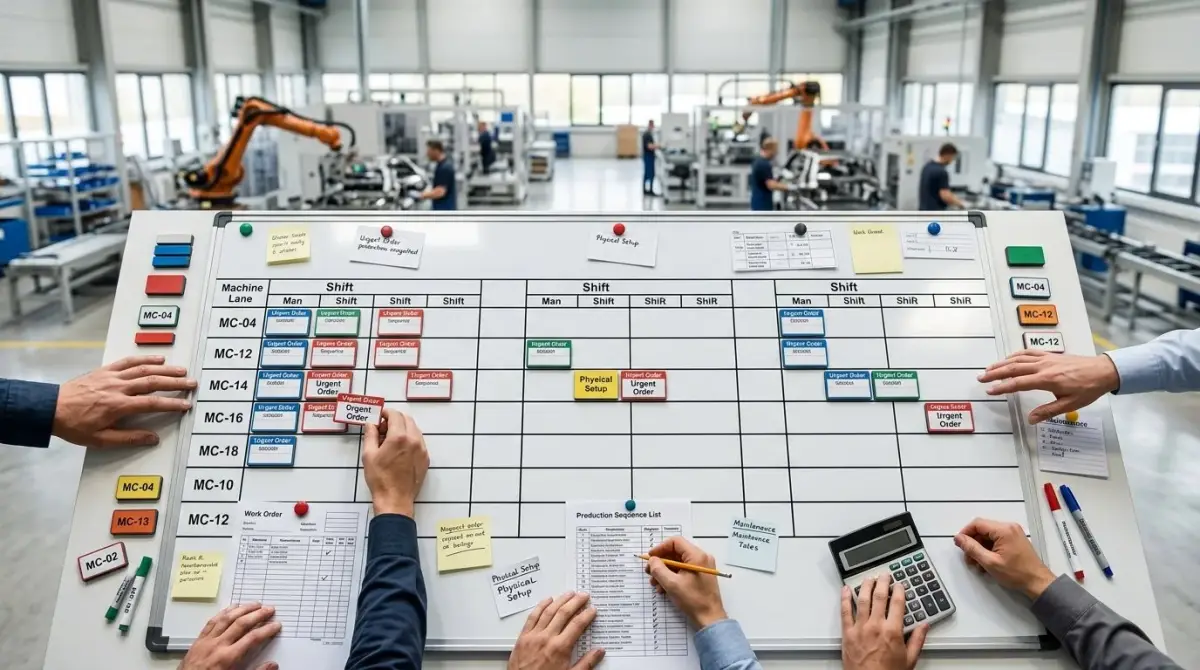 Planning & APSWhat Happens If? Why Manufacturing AI Needs Scenario Analysis
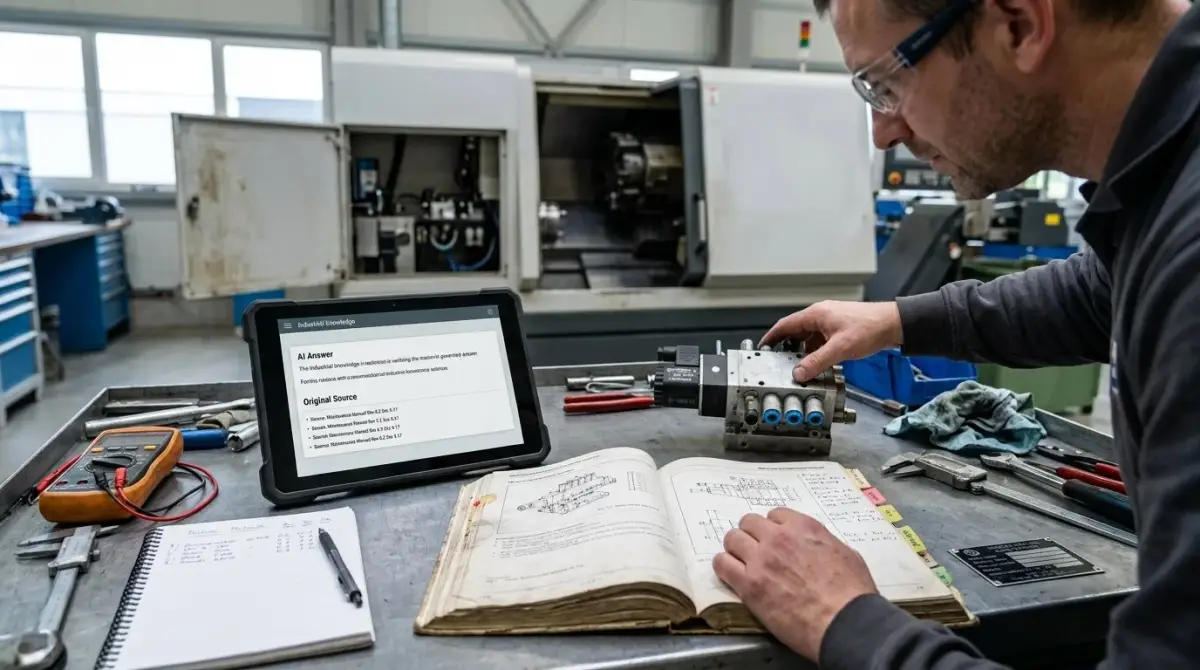 Quality & traceabilityWhy Industrial AI Needs Traceable Answers
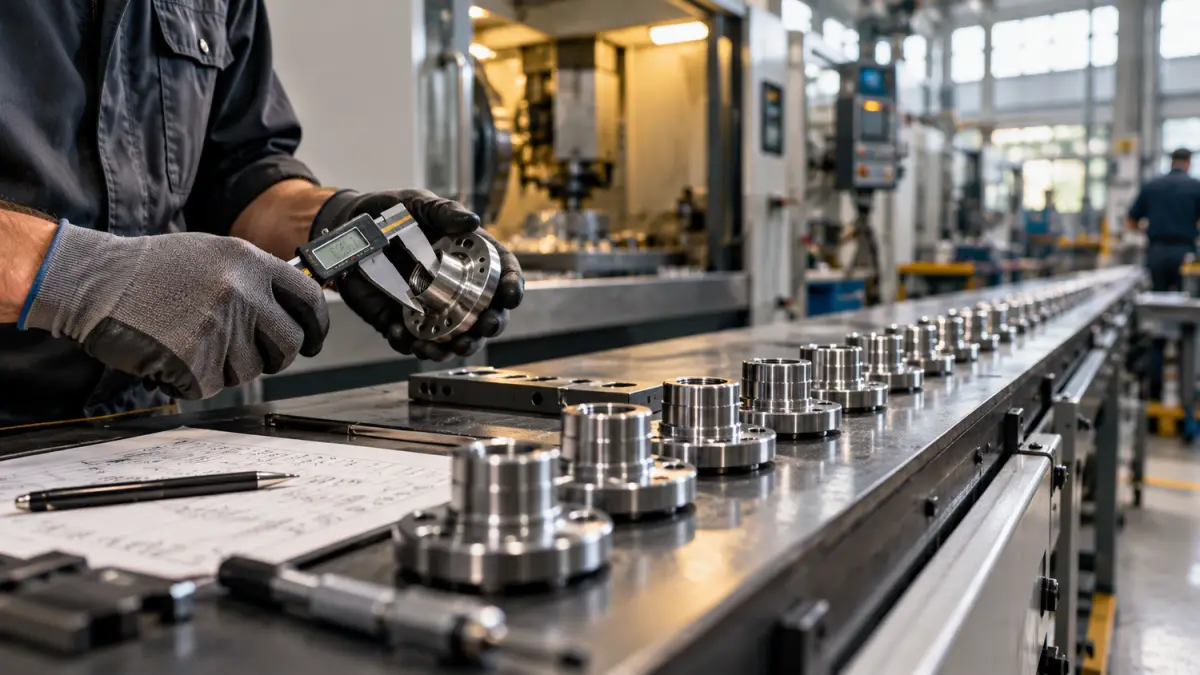 Quality & traceabilityFrom Standards to Continuous Improvement: How MES Helps Detect Process Drift
Archive
2026
- From Explanation to Recommendation: How AI Can Support Better Manufacturing Decisions
- Why Near-Misses Are the Most Valuable Safety Data You're Not Using
- Why Bottlenecks Should Drive Your Production Schedule
- Why Manufacturing Analytics Is Becoming Conversational
- From Manuals to Answers: How RAG Changes Access to Industrial Knowledge
- Why Manufacturing Performance Cannot Improve Without Standardization
- Why Manufacturers Need AI That Explains, Not Just Predicts
- How RAG Connects Manufacturing Knowledge Across the Factory
- Finite Capacity Planning: Why Reality Always Wins
- Why Dashboards Will Never Disappear
- From Incident Reporting to Predictive Safety: How Data Is Changing HSE
- From Data Collection to Operational Excellence: Why MES Is More Than a Monitoring Tool
- AI Agents Are Becoming Manufacturing Co-Pilots
- Why Production Scheduling Should Never Be Static
- Why AI Needs Manufacturing Knowledge to Be Useful
- The Hidden Cost of Manual Production Tracking
- From Insights to Action: How Generative BI Helps Manufacturers Prioritize What Matters
- Beyond PPE: How AI Identifies Hidden Safety Risks
- Why Real-Time Data Alone Doesn't Improve Manufacturing
- Why Manufacturing Decisions Need Context, Not Just Data
- Why Real-Time Visibility Is the Foundation of Manufacturing Excellence
- How Computer Vision Is Making Manufacturing Safer
- Why Production Plans Become Obsolete So Quickly
- Why Generative BI Is Changing the Way Manufacturers Make Decisions
- From Documentation to Knowledge: How RAG AI Is Transforming Industrial Maintenance
- From Static Dashboards to Generative BI: How AI Is Transforming Manufacturing Intelligence
- From Reaction to Prevention: How Real-Time Data Is Transforming Workplace Safety
- Innovation Starts on the Shop Floor: Why an MES Is the Foundation of Digital Transformation
- Turning Maintenance Manuals into Intelligent Operational Assistants with RAG and Metalya
- Generative BI, AI Agents and MES: The New Operational Intelligence for Manufacturing
- From CCTV to Operational Safety Intelligence: How Existing Cameras Can Become AI-Powered Safety Sensors
- Responsible AI for Workplace Safety: Why Human-Centered Artificial Intelligence Is Essential for Industrial Environments
- Why Industrial Safety Requires AI That Adapts to Every Operational Context
- Critical Event Detection: How Artificial Intelligence Helps Prevent Industrial Accidents Before They Happen
- Critical Event Detection: How AI Improves Industrial Safety Through Faster Awareness
- Operational Safety in Dynamic Environments: How AI Improves Visibility and Prevention
- Near Misses: A Signal to Detect Before It Becomes an Incident
- From Video Surveillance to Prevention: How AI Turns Images into Operational Safety
- Technology for Prevention, Not Surveillance: The Role of AI in Operational Safety in Production Environments
- Why 70% of Industrial AI Projects Never Reach Production
- Computer Vision and ROI: When a Pilot Project Becomes a Production Standard
- When Computer Vision Saves Money: A Real-World Case of Scrap Reduction
- The AI That Reduced Inspection Time by 70%
- AI Inspection on the Assembly Line: 24 Hours of Non-Stop Quality
- MES + Computer Vision Integration: How to Achieve Complete Traceability
- Optimizing Quality with Data: From Defect Detection to Process Improvement
- How a Metalya Vision System Reduced False Rejects by 90%
- From Structural Defects to Predictive Quality Control in Building Materials
- Detecting Cracks in Prefabricated Panels with Computer Vision
- Quality Monitoring in Brick Manufacturing
- Defect Detection in Drywall and Panels with Computer Vision
- Computer Vision for Automated Inspection of Roof Tiles and Roofing Systems
- Computer Vision for Inspection of Insulation and Composite Building Materials
- Computer Vision for Inspection of Cement Panels
- Computer Vision for the Inspection of Bricks and Concrete Blocks
- Computer Vision in Defense Electronics Manufacturing: AI Vision for Inspection of Insulation and Composite Materials
- Computer Vision in Defense Electronics Manufacturing
- High-Precision Inspection of Aerospace Fasteners with Computer Vision
- Optical Inspection for MIL and Aerospace Standards
- High-Precision Inspection of Aerospace Fasteners with Computer Vision
- AI Vision for Inspection of Critical Aerospace Components
- Traceability and Inspection in Glass Packaging with Computer Vision
- Computer Vision for Detecting Runs and Surface Imperfections
- Automated Inspection of Glass Bottles
- Optical Inspection of Glazes and Ceramic Surfaces
- Quality Control of Tempered Glass Sheets
- AI Vision for Inspection of Tiles and Decorative Patterns
- Optical Inspection of Glazes and Ceramic Surfaces
- Computer Vision for Inspection of Electroplated Coatings
- From Surface Defects to Structural Defects: The Evolution of Metal Inspection
- AI Vision for Inspection of Bolting and Structural Assemblies
- Rolling Defects: How to Detect Them Before Finishing
- From Surface Defects to Structural Defects: The Evolution of Metal Inspection with Computer Vision
- Real-Time Monitoring of Injection Molding with Computer Vision
- Computer Vision for High-Precision Inspection of Rubber Seals
- Detecting Deformations in Molded Parts with Computer Vision
- Computer Vision for Detecting Flash and Sink Marks in Plastic Injection Molding
- Computer Vision for Batch Verification in Food Products
- Computer Vision for Detecting Visual Contamination in Food Processing
- Automatic Inspection of Flexible Packaging in the Food Industry
- Aesthetic Defects in Cosmetic Bottles: AI That Detects Them Instantly
- Computer Vision for Color Control in Beauty Products
- The Role of Computer Vision in Monitoring Dispensers and Pumps in Cosmetic Manufacturing
- Detecting Filling Defects in Cosmetic Products with Computer Vision
- AI Vision for the Inspection of Sterile Single-Use Devices
- GMP: Why Visual Traceability Has Become a De Facto Requirement
- Sterility and Defects: How to Prevent an Error from Becoming a Recall
- Quality Assurance in Sterile Environments: AI Working in Place of Humans
- GMP Compliance and Traceability: AI as a Guarantee of Safety
- Pharmaceutical and Medical Industry: How to Prevent Visual Dosage Errors with AI Systems
- Detection of Microbubbles in Injectable Liquids with Optical Vision
- Sterility Control: Visual Analysis of Pharmaceutical Containers
- Computer Vision in Decorative Paper Quality Control: Textures, Patterns, and Tones
- Real-Time Detection of Broken Threads and Defective Seams with Computer Vision
- How AI Reduces Returns in the Textile Industry Through Automated Quality Control with Computer Vision
- Artificial Vision in Fashion: From Production to Final Selection
- Preventing Defects in Spinning and Weaving with Computer Vision
- Visual Inspection of Fabric Printing: Perfect Alignment
- How to Reduce Waste in Fabric Cutting with Computer Vision
- From Factory to Lab: Computer Vision for Electronic Testing
- Quality Control of Cables and Conductors with Computer Vision
- Computer Vision for Chip Alignment Verification
- Computer Vision for SMD Component Inspection in Assembly
- Quality Control with Computer Vision: Defect Detection on PCBs: Short Circuits and Broken Traces
- Computer Vision for Quality Control of Capsules and Tablets in the Pharmaceutical Industry
- Pharmaceutical Labeling: Preventing Batch and Expiration Date Errors
2025
- Computer Vision for Label and Expiry Date Inspection on Bottles
- Computer Vision for Pharmaceutical Blister Inspection
- How AI Reduces Returns in the Textile Industry Through Automated Quality Control
- Invisible Defects in Fabrics: The AI That Detects Weave Imperfections
- Computer Vision for HACCP Compliance: Traceability and Food Safety
- Computer Vision in the Inspection of Bottle Caps and Closures
- Detecting Visual Contaminants and Foreign Objects in Production
- Visual Inspection of Labels and Seals: How to Prevent Packaging Errors
- Preventing Assembly Defects: AI as an Electronic Eye on the Line
- Perfect Painting: Real-Time Defect Detection on Car Body Production Lines
- Detecting Scratches, Dents, and Oxidation: The Challenge of Metal Surface Inspection
- Rustic, Glossy, Transparent: Visual Inspection of Critical Materials with AI
- Visual Data and Compliance: Traceability, Standards, and Audits in Industry 4.0
- When the System Doesn’t “See” Well: The Most Common Causes of Missed Defect Detection
- Fast Lines, Precise Inspections: Optimizing High-Speed Visual Inspection
- Surfaces, Textures, and Invisible Defects: How Computer Vision Makes the Difference
- Digital Twins and Computer Vision: Simulating Defects to Prevent Them
- From Quality to Sustainability: How AI Vision Powers Greener Manufacturing
- Reducing Waste and Driving Sustainability: The Green Value of Computer Vision
- Investing in Computer Vision for Quality Control: Which Metrics Really Matter for ROI?
- Who’s Afraid of Computer Vision? Managing Resistance to Change in Factories
- From the Silence of Machines to Visual Dialogue: The New Era of Quality Control with Metalya Vision
- Computer Vision and IoT: The Connected Ecosystem of Industry 4.0
- The Future of Quality Control: From Reactive Inspection to Proactive Defect Prediction
- Computer Vision in Small and Medium Enterprises: Challenges and Solutions
- Patterns of Recurring Defects: Using Computer Vision Data to Identify Root Causes
- Post-Assembly Inspection: Integrating Computer Vision at Critical Points in Production
- Pre-Shipment Quality Control: The Last Line of Defense Before the Customer
- Quality Analytics: Turning Inspection Data into Insights for Continuous Improvement
- Preventing Returns and Customer Dissatisfaction: The Investment in Automated Quality Control
- MES and Computer Vision: How to Integrate Data and Vision for Smarter Quality Control
- Quality Analytics: Transforming Inspection Data into Insights for Continuous Improvement
- How Computer Vision Reduces Waste and Improves Quality in Manufacturing
- Beyond Automation: How Computer Vision Transforms Quality Control from Cost Center to Competitive Advantage
- Computer Vision in Quality Control: How AI Is Revolutionizing Visual Inspection
- Computer Vision in Manufacturing: How AI is Transforming Production
- MES (Manufacturing Execution System): passing fad or real revolution?
- The Evolution of Manufacturing: From Predictable to Adaptable
- Manufacturing Execution Systems: The Digital Backbone of the Smart Factory
- 7 Reasons Why Your Plant Needs a MES
- Why MES + OEE Is the Smart Factory Advantage
- OEE Is Not Enough: You Need a Complete MES
- MES: the Missing Link in Your Production
- Why Without MES (Manufacturing Execution System) Digitalization is Incomplete
- 5 Myths About MES You Should Stop Believing
- Historical Data vs Real-Time Data: Which Strategy for Which Goal?
- Lying Dashboards: How to Avoid the Traps of Visualization
- Custom KPIs: How to Create Tailor-Made Metrics for Your Production
- From Paper to Dashboard: Visualizing the Data That Matters
- Environmental Traceability of Processes: Why It Pays
- ESG Goals & the Digital Factory: Connections and Opportunities
- The 5 Key Indicators of Sustainable Manufacturing
- Smart Factory = Green Factory?
- How to Make Your Factory Greener Without Slowing Down Production
- The Link Between Production Efficiency and Energy Waste Reduction
- Sustainable Manufacturing: How Data Helps You Go Green
- Business Intelligence on the Shop Floor: Dream or Reality?
- The Future of Manufacturing Is Customized, Flexible, and Digital
- APIs, Connectors, and Interoperability- he Foundation of Smart Factory
- Industrial Cybersecurity: Protecting Factory Data
- Continuous Improvement Starts with Smart Monitoring
- What Lean Thinking Teaches Us About Factory Digitalization: A Technical Perspective on MES and Continuous Improvement
- The Key Role of Training in the Success of a MES Project
- Change Management in Manufacturing: A Practical Guide to Overcoming Resistance
- Why MES Projects Fail – and How to Avoid It
- Artificial Intelligence and MES: A Strategic Alliance for Manufacturing
- AI in Manufacturing: How to Start Using It Simply
- Connected Factory: What Does It Really Mean to Connect People, Machines, and Processes?
- The Opportunity Cost of Delaying MES
- 5 Reasons Why a CEO Should Invest in an Advanced MES
- The 7 Hidden Problems Slowing Down Your Production (And How to Fix Them)
- MES Trends in 2025: What to Expect in the Near Future
- How to Prepare for MES Adoption
- The 10 Most Common Questions About a MES System
- MES Glossary: All the Key Terms You Need to Know
- Traceability, OEE, KPI: The Must-Have Features of a Modern MES
- Modular MES: Why It’s the Key to Flexible Manufacturing
- Integrating Your MES with Your ERP: Everything You Need to Know
- Cloud or On-Premise? Pros and Cons of Modern MES Solutions
- How to Choose the Right MES Software for Your Company
- Metalya vs Traditional Solutions: What Really Changes?
- How Does an MES System Work? A Simple Guide for Non-Technical Entrepreneurs
- How Much Does NOT Having a MES Cost You?
- How MES Supports the Transition to Industry 4.0
- 5 Signs Your Factory Needs a MES (Manufacturing Execution System)
- MES vs ERP: What’s the Difference — and Why Do You Need Both?
- What Is a MES and Why It Could Revolutionize Your Production?
- Full Factory Automation: The Role of MES in Smart Manufacturing
- GDPR & MES: How to Manage Production Data Securely
- Certifications and Quality: The Role of MES in Regulatory Compliance
- MES and Traceability: How to Ensure Compliance with ISO and FDA Regulations
- How MES Enables Sustainability in Manufacturing
- MES for SMEs: Low-Cost Implementations, Big Results
- How a Pharmaceutical Company Improved Traceability with a MES
- How a MES Transformed the Production of an Automotive Company
- 🔧✨ MES and Predictive Maintenance: The Perfect Match for Operational Continuity
- What’s the ROI of a MES? Strategies to Maximize Your Return on Investment
- MES & Lean Manufacturing: How to Optimize Production and Quality
- 5 Common Mistakes in MES Implementation and How to Avoid Them
- How to Choose the Best MES for Your Company: A Step-by-Step Guide
- Cloud-Based MES: Is It Worth Moving Away from On-Premise Systems?
- MES & IIoT: How to Connect Machines for a More Efficient Industry
- Artificial Intelligence and MES: The Future of Smart Manufacturing
- From Paper to Digital: Why MES is Key to the Smart Factory
- MES 4.0: The Future of Production Is Already Here!
- Why Finite Capacity Scheduling (FCS) Projects Often Fail – A Quick Dive! 🚀
- Finite Capacity Scheduling: ERP or MES, Which is Your Production Ally? 🚀
- ERP or MES? The Winning Strategy for Agile and Efficient Scheduling 🚀
- Flexible and customized production with Metalya MOM
- Digitizing production processes without disrupting the company: Metalya MOM
- Metalya MOM and the automation of production processes
- Data at the heart of the factory: the advantages of Metalya MOM
- Real-Time production monitoring with Metalya MOM: a case study
- How Metalya Integrates Logistics and Production
- Metalya WMS: your ally in Inventory Management
- Error-Free Logistics: Metalya WMS and Complete Traceability
- Efficient Warehouse Management with Metalya WMS
- Metalya APS: Your Ally for Dynamic Scheduling
- Metalya APS: How to Plan Production Smartly
- Metalya: The Future of Connected Manufacturing
- Metalya: The Digital Heart of Your Factory
- From Chaos to Precision: The Value of a Complete MES like Metalya
- How to Improve Your Company's Productivity with Metalya
- What is an MES and Why Does Metalya Revolutionize Production Management?
- How to Optimize Production with Metalya: More Efficiency, Lower Costs
- 10 Reasons to Choose Metalya for Your Manufacturing Facility
- The Ultimate Guide to Choosing an MES: Why Metalya is the Ideal Solution
Buy the foundation. Adapt the experience.
See Metalya on your own production scenario: your routings, your constraints, the screens your people need.